Back Pain From Back Sleeping? Sore Shoulders From Side Sleeping? The Healthiest Position — and the Mattress to Match
There is no single healthiest sleep position — the key is keeping the spine in its natural curve: back sleepers need a medium-firm mattress, side sleepers a balanced feel that lets shoulders and hips sink in, and stomach sleepers (the most straining position) something firmer. Get the pairing right, and you wake up without the aches.
Have you ever had this experience? You slept through the whole night, yet you wake up with a sore back and low energy, as if you never really rested.
Maybe you blame the pillow, the weather, or stress — but you may be overlooking one key factor: whether your sleep position and the mattress you're lying on actually fit each other.
Different sleep positions put dramatically different pressure and support demands on different parts of the body. The wrong position on top of the wrong mattress means you spend all night laying the groundwork for aches and pains.
By getting to know the common sleep positions and how they affect the body, we can adjust our sleep habits more consciously and choose the right mattress — finding the "golden sleep position" that fits our own body best. Let's explore what each position changes, and how to build a healthier sleep environment starting with everyday habits.
In this article:
- Why sleep position determines your sleep quality
- Does back sleeping relax you — or keep you awake?
- The benefits and caveats of side sleeping
- Is stomach sleeping really okay? What you need to know
- How to choose a mattress that fits your sleep position
- Different positions, no compromises: the right mattress sleeps better
- The best position is the one you wake up refreshed from
- Sleep position and mattress: daily therapy for your body
Why Does Sleep Position Determine Your Sleep Quality?
We spend roughly a third of our lives asleep — and during that time, your body never truly "switches off." It is busy repairing, reorganizing, and metabolizing, and your sleep position is the key player deciding how smoothly all of that goes.
A poor sleep position can cause soreness and stiffness in the neck, shoulders, or lower back, and may even aggravate underlying health issues such as sleep apnea or acid reflux.
From a neuroscience perspective, bad sleep posture can even interfere with how efficiently the brain clears metabolic waste. Over the long term, this may be linked to an increased risk of neurodegenerative diseases such as dementia. Understanding the characteristics of each sleep position — and learning to adjust your posture and pair it with the right mattress and bedding to keep the spine naturally aligned, reduce bodily pressure, and strengthen deep sleep — is something every modern person who cares about health and quality of life should start taking seriously.
Does Back Sleeping Relax You — or Keep You Awake?
Sleeping on your back, face up with your back flat against the bed, is many people's habit. But it doesn't suit everyone — especially those who snore or have sleep apnea, as it can worsen their symptoms.
Benefits of back sleeping
- The spine keeps its natural S-curve, easing pressure on the neck and back
- Good for people with lower-back discomfort or neck pain
- Your face isn't pressed into the pillow for hours, which helps reduce wrinkles
Potential problems with back sleeping
- Can worsen snoring or sleep apnea
- If the mattress lacks support, the lower back can be left hanging, increasing lumbar pressure
- Requires a mattress of balanced firmness to avoid concentrated pressure
Who is back sleeping for?
Back sleeping particularly suits people who need to relieve lumbar or cervical pressure — office workers who sit all day, people prone to back pain, and those who care about skincare and don't want their face compressed. If you snore or have sleep apnea, though, combine it with side sleeping or a suitable pillow to keep the airway in better shape.
The Benefits and Caveats of Side Sleeping
Do you naturally roll onto your side the moment you get into bed? It's the most common sleep position — and one doctors most often recommend. It brings a sense of security, can ease snoring, helps pregnant women fall asleep, and even relieves acid reflux. But to sleep truly comfortably on your side, your mattress must give your shoulders and hips enough support.
Benefits of side sleeping
- Reduces the tongue base falling backward, helping with snoring and sleep apnea
- Sleeping on the left side can reduce acid reflux
- Sleeping on the right side can ease pressure on the heart
- For pregnant women, left-side sleeping promotes circulation and reduces pressure on the veins
How to make it more comfortable
- Place a pillow between your knees to stabilize the pelvis and prevent twisting
- Choose a mattress that supports the shoulders and hips and spreads the pressure
Who is side sleeping for?
Side sleeping especially suits people who snore or have sleep apnea, those with acid reflux, and pregnant women. For anyone needing a stable spine and less pressure, it offers good support and comfort. But if your shoulders or hips often ache, be sure to pair it with the right mattress and pillow to avoid concentrated pressure.
Is Stomach Sleeping Really Okay? What You Need to Know
Some people only feel settled sleeping face-down — it's the only way they relax. From a health standpoint, though, stomach sleeping puts the greatest strain on the body, with the neck and lower back most affected. If it's your habit, a few small techniques and the right mattress can ease the load.
Risks of stomach sleeping
- The head stays turned to one side for hours, easily causing neck stiffness and pain
- The lower back arches forward, increasing strain on the lumbar region
- Compresses the chest and abdomen, affecting breathing and digestion
- Prolonged face-to-pillow contact increases wrinkles and eye pressure
How to improve it
- Place a thin pillow under the abdomen to relieve lumbar pressure
- Choose a firmer mattress to keep the torso from sinking
- Try gradually shifting to other positions to reduce the long-term burden
Who is stomach sleeping for?
Stomach sleeping is generally not recommended, but for people who have slept this way since childhood, or who need it to relieve snoring in specific situations, it can still bring short-term relaxation. If you must sleep on your stomach, choose a firmer mattress and adjust your pillow height to reduce the strain on your neck and lower back.
How to Choose a Mattress That Fits Your Sleep Position
If you want to improve your sleep posture, choosing the right mattress matters enormously. Different positions place different support demands on the body, so your bedding choices should account for your habits and physical condition.
To make the link between position and mattress clearer, we've laid out the common sleep position types with matching mattress suggestions and reasons, to help you quickly find the direction closest to your needs:
Sleep position type
Mattress recommendation
Why
Back sleepers
Medium-firm, providing enough support to keep the lower back from sinking.
Enough support to prevent lumbar sag and hold the spine's natural curve
Side sleepers
Balanced firmness, letting shoulders and hips sink in moderately to spread pressure.
Shoulders and hips can sink in just enough — releasing pressure while keeping the spine aligned
Stomach sleepers
Firmer, preventing the torso and lower back from sinking too deep.
Stops the torso and lumbar region from sinking, helping the spine stay straight
Combination sleepers
High-resilience, zoned-support designs
Adapts to frequent turning, automatically adjusting support for smoother overall sleep
Different Positions, No Compromises: The Right Mattress Sleeps Better
The right mattress helps your body stay naturally relaxed through the night. If you're looking for a mattress that strikes a good balance between support and comfort, the design and materials of the following models may give you useful reference points:
Classic Formosa F4 | Balance Between Support and Comfort
If you're constantly tossing and turning and nothing feels quite right, chances are your mattress isn't supporting you properly. The Classic Formosa F4 is designed around a balanced medium feel, combining sufficient support with just the right comfort — for those who want an even, all-round experience.
From materials to structure, everything is built to ergonomic and eco-health standards:
- TENCEL® cover: excellent breathability and gentle on skin, ideal for those who overheat easily or have sensitive skin
- Thai latex layer: naturally resilient support that contours to different pressure points, supporting shoulders and hips
- Taiwan China Steel pocket springs: distribute pressure evenly, so turning over doesn't disturb your partner
- Nan Pao hot-melt adhesive: safe and odor-free, protecting your health
Its overall firmness sits in the "middle band" — neither soft nor hard — suited to back and side sleepers, and to those who turn frequently. A balanced mattress that covers most needs.
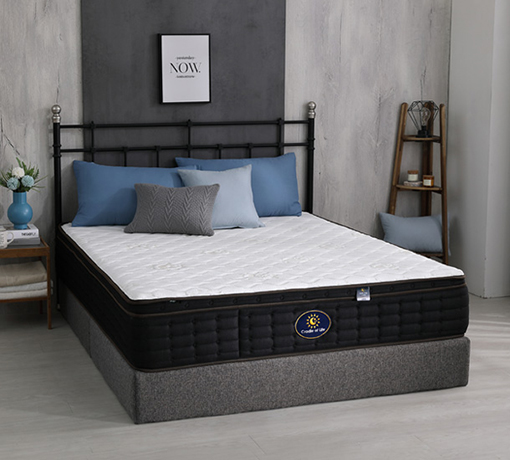
Classic Formosa F5 | Essential Comfort Model
Key features
- Cover: TENCEL® fabric, breathable and skin-friendly
- Comfort layer: high-density foam for soft cushioning
- Core structure: China Steel pocket springs, durable and stable
- Firmness: firm leaning soft, combining springiness and comfort
Suited sleep positions
- Side sleepers: moderately relieves pressure on shoulders and hips
- Back sleepers: supports the lumbar spine and prevents discomfort over long nights
First-time buyers and renters: affordable, with all the essentials covered
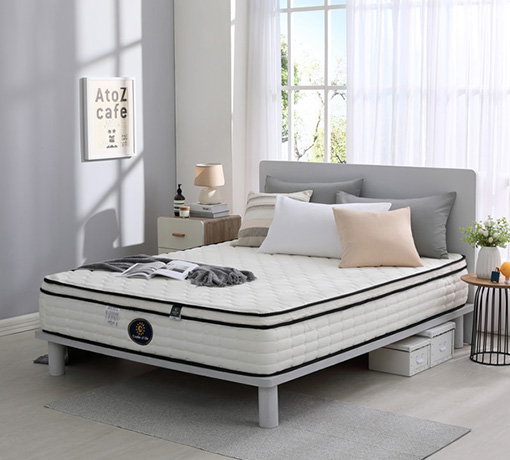
Classic Formosa F7 | Extra-Support Model
Key features
- Core structure: 1,080 firm pocket springs (1.8 wire gauge) in a honeycomb arrangement, holding the whole bed steady
- Comfort layer: 5 cm of Thai natural latex — medium-firm yet resilient
- Cover: 100% TENCEL® — warm in winter, cool in summer, breathable and gentle on skin
- Design focus: reinforced support for those who need a solid, firm hold
- Firmness: medium-firm, highly durable
Suited sleep positions
- Back sleepers: stable support for the lumbar region and spine, preventing sag
- Stomach sleepers: the firmer build reduces sinking at the waist and abdomen, lowering lumbar strain
Larger builds and firm-bed lovers: delivers steady, long-lasting support
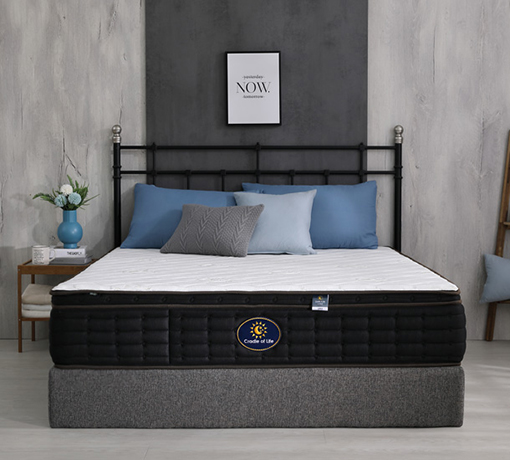
Heritage Collection — Grace | Refined Support Model
Key features
- Cover surface: premium TENCEL® woven fabric — skin-friendly, breathable, with a fine touch
- Side panels: quality stain-resistant, scratch-resistant fabric, durable and easy to clean
- Beneath the cover: 2 cm premium cooling gel + 2.5 cm high-density soft foam for cool comfort and gentle cushioning
- Comfort layer: 5 cm Thai natural latex with excellent rebound, spreading the body's pressure
- Core springs: 2,000 China Steel pocket springs (1.3 wire gauge) for finer point-by-point support
- Reinforcement: strengthened foam edge encasement — stable, durable, resistant to sagging
- Total height: approx. 34 cm — a thick, high-spec build
- Firmness: balanced, striking the middle ground between support and comfort
Suited sleep positions
- Back sleepers: maintains the spine's natural curve and eases lower-back pressure
- Side sleepers: the latex layer lets shoulders and hips sink in just enough, keeping the spine aligned without pressure points
Combination sleepers: 2,000 pocket springs provide the springiness and stability for frequent position changes
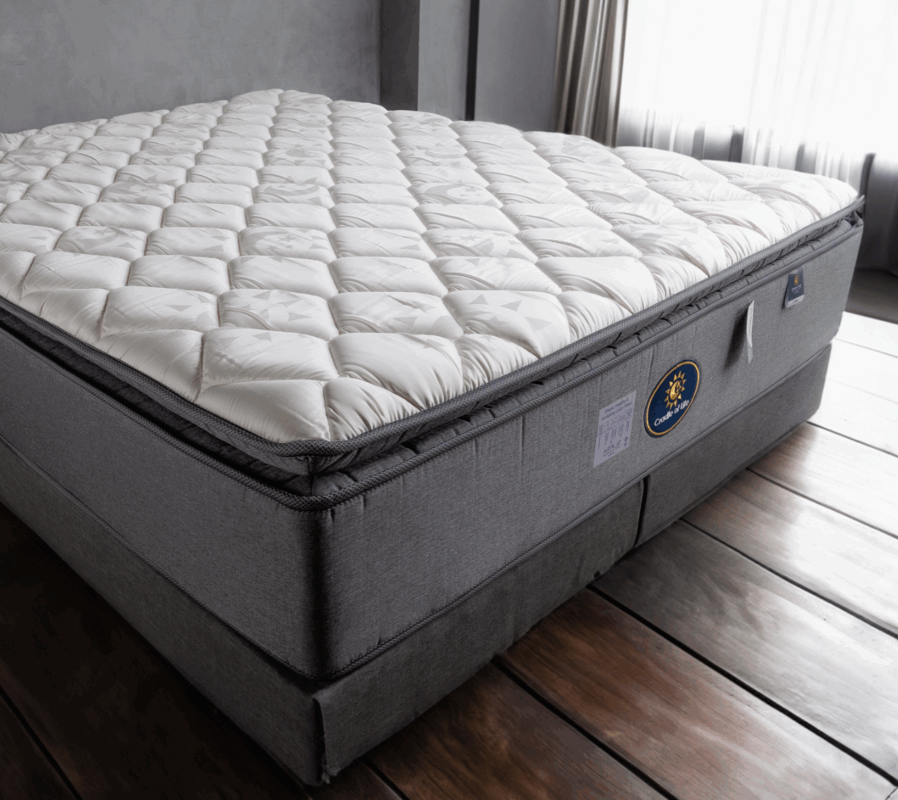
The Best Sleep Position Is the One You Wake Up Refreshed From
There is no perfect position — only the choice that suits your body and the rhythm of your life. The point isn't "what's the textbook way to sleep," but this: do you wake up feeling light and pressure-free?
If not, the question to ask is: is the bed you're lying on right now actually supporting you?
Common Questions About Sleep Positions
Many people have questions about sleep posture and health. Here are the most common ones:
1. Which sleep position is kindest to the spine?
A: The ideal position is whichever keeps the spine in its natural S-curve. Back sleeping usually performs best — provided the mattress offers enough support, otherwise the lower back is left hanging. Side sleeping protects the spine well too, as long as the neck and spine stay in a straight line; a pillow between the knees keeps the pelvis more stable.
2. Why do I so often wake up with a sore back?
A: Common causes include poor sleep posture (such as long-term stomach sleeping), insufficient mattress support, or the wrong pillow height. All of these pull the spine out of its natural curve, leaving muscles and joints under prolonged strain. If it happens regularly, review your sleep habits and consider switching to a more suitable mattress and pillow.
3. Is stomach sleeping really that bad for you?
A: Stomach sleeping puts the most pressure on the body. Over time it can lead to neck stiffness, lower-back pain, and even a higher risk of disc injury. Compressing the chest and abdomen also affects breathing and digestion, and pressing your face into the pillow for hours increases wrinkles and eye pressure. Unless there's a specific need, it's best not to make it a habit.
4. How can snoring or sleep apnea be improved?
A: When you sleep on your back, the tongue base and soft palate tend to fall backward and block the airway, making snoring and apnea worse. Try switching to your side (especially the left) to help keep the airway open. If the problem remains serious, see a doctor.
5. My shoulder aches when I sleep on my side. What should I do?
A: On your side, the shoulder carries most of your weight. If the mattress is too firm, pressure concentrates on the shoulder joint and soreness follows. Choose a mattress that lets the shoulders and hips sink in moderately to spread the load. Pillow height is just as critical: too low and the neck bends downward; too high and it tilts sideways. An ideal side-sleeping pillow fills the gap between shoulder and head so the neck and spine stay on one straight line. When mattress and pillow work together, that's when side sleeping gets truly comfortable.
6. How should people with acid reflux or heart conditions sleep?
A: For acid reflux, left-side sleeping is recommended, since the stomach then sits lower than the entrance to the esophagus, reducing reflux. For those with heart conditions, however, left-side sleeping may increase pressure on the heart — sleeping on the right side is more comfortable and eases the heart's load.
7. How do I choose a mattress that helps improve my sleep posture?
A: The mattress is the foundation and the pillow is the key supporting act — only when they work together does sleep posture truly improve:
- Back sleepers: choose a medium-firm mattress that supports the spinal curve and keeps the lower back from hanging; the pillow should cradle the back of the head and neck, without tipping the head too far forward or back.
- Side sleepers: a balanced-firmness mattress lets shoulders and hips sink naturally and keeps the spine aligned; the pillow must be high enough to fill the shoulder-to-head gap so the neck doesn't tilt.
- Stomach sleepers: a firmer mattress prevents the torso and lower back from sinking too deep; the pillow should be thin — or skipped entirely — to reduce neck twisting.
- Combination sleepers: choose a resilient mattress with zoned support that stays stable as you turn; a pillow of moderate height and softness covers the needs of every position.
Sleep Position and Mattress: Daily Therapy for Your Body
Finding the sleep position that suits you best is key to better sleep and lasting health. Whether you sleep on your back, side, or stomach, the spine should stay naturally aligned — paired with a supportive mattress of balanced firmness — before body and mind can truly relax.
Cradle of Life (生活搖籃) firmly believes: comfort should not be a luxury, but a basic need everyone deserves. Through quality materials and body-conscious structural design, we build beds that can genuinely see you through every deep-sleeping night.
Book a trial lie-down today, and let your body tell you: this is "the right choice."
FAQ
Why do I still wake up with back pain after a full night's sleep?
Common causes include poor sleep posture (such as long-term stomach sleeping), insufficient mattress support, or the wrong pillow height — all of which pull the spine out of its natural curve and leave muscles and joints under strain all night. If it keeps happening, review your sleep habits and consider switching to a better-suited mattress and pillow.
My shoulder hurts from the pressure when I sleep on my side. What can I do?
When you sleep on your side, your shoulder bears most of your weight, and a mattress that's too firm concentrates that pressure on the shoulder joint. Choose a mattress that lets the shoulders and hips sink in moderately to spread the load, and pair it with a pillow high enough to fill the gap between shoulder and head so the neck and spine stay in a straight line. A pillow between the knees helps too.
How should people who snore or have sleep apnea sleep?
When you sleep on your back, the tongue base and soft palate tend to fall backward and block the airway, making snoring and apnea worse. Switching to side sleeping (especially on the left) helps keep the airway open; if the problem remains serious, see a doctor for proper evaluation and treatment.