You're Not Sleepless, You're Sleeping Shallow: A Mattress Guide for the Doomscroll Generation
For light sleepers, deeper sleep starts with the mattress: breathable latex and cooling gel help the body relax, firmness should match your sleep position and build rather than "the firmer the better," and pocket springs with quiet construction block partner disturbance — then verify it all with an in-store trial and a sleep trial.
You fell asleep — but you didn't rest
In this age of information overload — whether you're an office worker whose brain is fried by day, or a parent sneaking in some phone time at night between baby duties — plenty of us lie in bed scrolling until our eyelids give out, only to snap awake at 3 a.m. with a mind as alert as 8 in the morning. You technically "fell asleep," yet you wake up feeling more drained. That's the new normal for the shallow-sleep generation.
Sleep quality isn't just about whether you slept — it's about whether your body actually relaxed and reached deep sleep. And the key factor most people overlook is the mattress. For light sleepers, it's like a quiet sleep companion, helping your body wind down on a physical level.
This article breaks down the logic of choosing a mattress for light sleepers — materials, firmness, breathability, and structural support — so you can sleep deeper and steadier starting from the bed itself, without overhauling your lifestyle. Sound familiar? You scroll until your eyelids droop, assume you're tired and drifting off, then wake up automatically at 3 a.m. with tomorrow's to-do list already running in your head?
Scrolling yourself to sleep isn't the same as actually sleeping. Modern sleep is already badly damaged by blue light, anxiety, and stress — and the mattress you chose may be quietly amplifying all of it.
In this article:
- Choose the right mattress, sleep well
- Which mattress features actually help you sleep more soundly
- How you sleep, how many of you there are, and how much space you have
- Choosing a mattress that fits you, starting from your needs
- In-store trials × sleep-trial guarantees: don't just "test the firmness" — test how it feels to fall asleep
- Daily care × lifespan: choose right, then care for it right
- FAQ: the questions you'll definitely ask before and after buying
- You deserve a bed the whole family can sleep soundly on
Choose the Right Mattress, Sleep Well
Light sleep doesn't mean you're fragile — it means your brain is too busy
Phone blue light suppresses melatonin, tricking your brain into thinking it's still midday; add emotional stress and environmental disturbance, and even when you do fall asleep, you never reach deep sleep.
Run through this symptom checklist:
- Tossing and turning, unable to fall asleep
- Waking at the slightest sound
- Waking up more tired than when you went to bed
- Feeling like you've been run over by a truck after a full night's sleep
If two or more apply, congratulations (?) — you're one of us: a light-sleeping creature of this generation.
Which Mattress Features Actually Help You Sleep More Soundly
For a light sleeper, a good mattress isn't just "somewhere to lie down." It's a key tool that helps the body release tension, maintain the right temperature and support, and reduce tossing and mid-sleep interruptions. Below we break it down along three lines — materials, firmness, and anti-disturbance design — to find the structure that suits you, the person who "sleeps light but is deeply tired."
How should materials, support, and comfort fit together?
1. The material should help your body relax
A comparison of common materials on the market:
Material type
Characteristics
Best for
Memory foam
Highly contouring, distributes pressure well, but traps heat
Side sleepers, those sensitive to pressure
Natural latex
Breathable, resilient, antibacterial and dust-mite resistant
Sweaty or allergy-prone sleepers
Cooling gel
Helps dissipate heat, keeps you dry
Hot sleepers and those who run warm
Cradle of Life (生活搖籃) Tips: Memory foam's enveloping feel offers a hug-like sense of security that helps tense minds gradually unwind — though without a support structure it may not suit heavier body types. Natural latex springs back quickly, letting your body turn over naturally without getting stuck — very friendly if you move around all night. Cooling gel stabilizes body temperature and reduces overheating, ideal for those who wake up hot at night or are sensitive to temperature changes.
2. Firmer is not automatically better
A bed that's too hard keeps your body "slightly braced" all night, which actually hurts your sleep. What matters is:
- Does it support the spine?
- Does it cushion the pressure points (shoulders, hips)?
3. Anti-disturbance design is key
- Pocket spring construction: stops a partner's movement from traveling across the bed
- Quiet shock-absorbing layers: block creaks and wobble
- Antibacterial / removable, washable covers: cleanliness adds to the sense of security
Cradle of Life Tips: To cope with Taiwan's humid, muggy climate, Cradle of Life insists on TENCEL® covers and Belgian natural latex — skin-friendly and breathable, effectively easing nighttime stuffiness and skin discomfort so you can fall asleep more freely and soundly from head to toe.
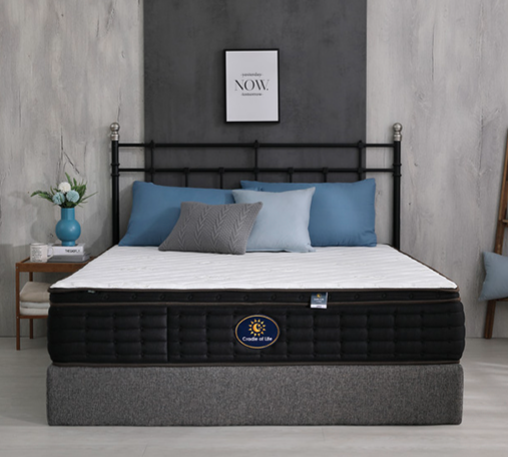
Pick 1 | Formosa Series F7 (Extra-Support Model)
Features:
- 1,080 firm pocket springs (1.8 wire gauge) in a honeycomb arrangement, providing stable full-bed support and preventing sagging
- Medium-firm feel + 5 cm Belgian Artilat latex layer, balancing support and resilience so long hours in bed never feel tiring
- 100% TENCEL® cover — warm in winter, cool in summer, breathable and gentle on the skin, perfectly suited to Taiwan's climate
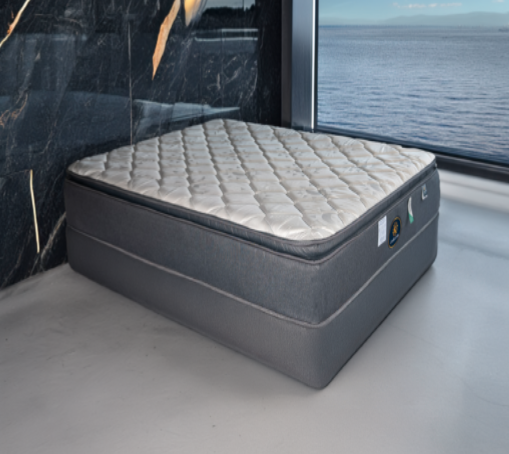
Pick 2 | Formosa Series F8 (Cooling Gel Model)
Features:
- 1 cm cooling gel + 2.5 cm high-density foam for instant cooling and moisture wicking, effectively reducing overheated, restless nights
- 5 cm Belgian Artilat latex + 667 firm pocket springs — plenty of support without sacrificing soft comfort
- TENCEL® woven fabric cover: silky, skin-friendly, and quick-drying — a top choice for summer
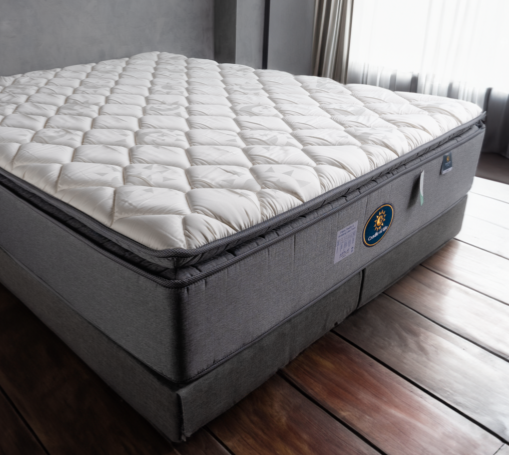
Pick 3 | Heritage Collection — Grace
Features:
- 2,000 pocket springs made by China Steel (1.3 wire gauge), heat-treated at high temperature for stable resilience and excellent motion isolation — turning over is silent and won't disturb a partner
- 5 cm comfort layer of Artilat natural latex imported from Belgium: soft, contouring, and springy pressure relief that delivers support and comfort at once
- 100% TENCEL® woven cover + 2 cm premium cooling gel + 2.5 cm high-density soft foam — skin-friendly and breathable, warm in winter and cool in summer, perfectly adapted to Taiwan's climate
How You Sleep, How Many of You, and How Much Space — Your Mattress Has to Fit Your Life
Choosing a mattress shouldn't just be about testing firmness. Think about how you sleep, who you share the bed with, and whether the bed will end up blocking the daily flow of your home. Below we cover sleep positions, the support different body types need, mattress sizes, and real-world room layout — so the bed you choose isn't just comfortable to lie on, but lets you sleep soundly and wake easily every day.
Find the support your body needs, starting from sleep position and build
Sleep position / body type
Recommended firmness
What to prioritize
Side sleepers
Softer
Reduce pressure on shoulders and hips, improve contouring
Back sleepers
Medium
Support the lower back, keep the spine balanced
Stomach sleepers
Firmer
Prevent the lower back from sinking, support the whole spine
Frequent tossers / combination sleepers
Medium-firm with good resilience
Adapt to changing positions, reduce the chance of being disturbed
Heavier body types
Firmer
Reinforced support to prevent sagging
Lighter body types
Softer
Contouring comfort without gaps or pressure points
Cradle of Life Tips: We often meet customers who chose the wrong bed because they believed "firmer is healthier," only to end up with worse shoulder, neck, and lower-back pain. In truth, the right firmness is the one that evenly distributes pressure for your build and sleep position while keeping the spine's natural curve. That's why Cradle of Life designs its products with high-carbon steel pocket coil structures and natural latex support layers — to meet a wide range of body types and sleep positions with just the right balance of springiness and stability.
Choose the right size: a sleep setup that fits your space makes home feel freer
A bed doesn't just need to sleep well — it needs to work with the flow of your home. The right size keeps your space practical and your life easy, and helps you sleep with peace of mind.
Mattress size
Recommended for
Reference dimensions (cm)
Single (extended)
Singles, children, tight spaces
approx. 105 x 190 cm
Standard double
Couples, small families
approx. 150 x 190 cm
Extended double
Taller or larger builds, restless sleepers
approx. 180 x 190 cm
King size
Families co-sleeping with kids or pets
approx. 180 x 210 cm
Cradle of Life also suggests thinking through your actual layout and usage:
- Leave at least 30–50 cm of walkway on both sides of the bed for getting up and making the bed
- Nightstands should sit level with the bed surface for comfort and a tidy look
- For extended or king sizes, pair with a stable wide bed frame and storage design to avoid squeezing your living space
Cradle of Life Tips: We often remind customers that "it fits" doesn't mean "it lives well." Choosing a mattress isn't only about floor area — it's about your habits and how you move through the room each day. The right size keeps your daily rhythm smooth and builds a stable, comfortable environment for your sleep.
Choosing a Mattress That Fits You Starts With Your Needs
What light sleepers fear most is buying the wrong bed. Faced with a market of countless brands, model numbers, and wild price gaps, it's easy to fall into the "price trap" or the "brand myth." In reality, what determines how well you sleep is the mattress's structural design, its materials, and whether it matches what your body needs.
Understanding how you'll use it beats chasing brands
Many people start with brand and price. We suggest working backwards from your sleep needs instead. Common blind spots and how to correct them:
- Brand myth: a famous name isn't necessarily better — sometimes it's just more marketing. Compare material sourcing and support design directly, and judge the product on its merits.
- Neglecting maintenance: mattresses need care too. Regular flipping and a protector pad extend their life.
- Ignoring health differences:
- Spinal issues: medium-firm beds with high-resilience structures (e.g., high-carbon steel pocket springs + latex)
- Allergy-prone: natural latex and removable, washable covers — antibacterial and dust-mite resistant — come first
- Big weight difference between partners: choose firmer or high-support designs so you don't disturb each other
Cradle of Life's core belief is that every sleeper should get genuine support and comfort at a budget that fits.
Price isn't the only yardstick — durability and feel are what count
Mattresses range from a few thousand NT dollars to tens of thousands. Don't just compare prices — look at:
- What materials are used? (Latex? Foam? What latex content?)
- Is the structure actually engineered? (Zoned support? Motion isolation?)
- How long is the warranty — and are there hidden clauses?
A good product isn't necessarily the most expensive; a mid-priced mattress with honest, quality materials is often the better deal.
Three keys to spotting a quality mattress
- Price vs. value: international-grade materials (like natural latex and TENCEL®) + local manufacturing keeps costs down without cutting corners
- Warranty terms: 5–10 years is the baseline — confirm it covers structural deformation and sagging
- Lifespan: good materials last 7–10 years, which actually saves money over the long run
Three steps to a clear buying checklist
Let us organize the process so you stop choosing a mattress "by feel":
Step 1: Build your personal needs list
- Sleep position (side / back / stomach)
- Height and weight (they determine your support needs)
- Any allergies or spinal issues
- Budget range and expected lifespan
Step 2: Needs and comparison criteria
- Can you try it in a store?
- Are material sources and support design clearly labeled?
- Are warranty and return/exchange processes published?
Step 3: Choose how to buy
- Custom design: size and firmness can both be fine-tuned
- Group-buy deals: purchase with friends or family for price flexibility
- Installment payments: lower-pressure spending, easier on the budget
Cradle of Life's service team can also help you turn clear needs into the mattress combination that truly fits — so you can skip the guesswork and sleep easy.
In-Store Trials × Sleep-Trial Guarantees: Don't Just "Test the Firmness" — Test How It Feels to Fall Asleep
Whether you shop at a physical store or online, don't just "lie down for a second." Pay attention to how your body responds: Do you relax quickly? Is there any sinking, wobbling, or instability?
Before an in-store trial, prepare these three things
- Confirm your main sleep position (side / back / stomach): different positions need different support points and pressure distribution.
- Bring your usual pillow or sleep aids: simulating your real sleep setup is the only way to know if it fits.
- Turn over, sit up, and lie flat a few times: observe the springiness, the support, and whether the bed "traps" you.
The value of a sleep trial: letting your body verify the mattress for itself
Cradle of Life offers a "120-night worry-free trial" on 5-foot and 6-foot mattresses, so you can genuinely test the fit within your familiar daily rhythm:
- 120-night trial period: enough time for a real adjustment period, not a fleeting impression
- One free exchange included: Cradle of Life covers round-trip shipping and packaging materials, and swaps the mattress with any price difference refunded or topped up, so the mattress truly meets your needs
- Customer service throughout: from selection and trial to adjustment and exchange, a dedicated person assists at every step
We believe the right mattress isn't about "reading the specs" — it's the one that leaves you more relaxed and at ease, night after night, in real life.
Daily Care × Lifespan: Choose Right, Then Care for It Right
Even a top-tier mattress will sag, grow mold, and lose support without everyday care. Here is Cradle of Life's simple maintenance guide:
Three steps of daily care
- Flip and rotate regularly: every 3 months, flip it or rotate head-to-foot to avoid localized sagging.
- Use a waterproof protector: dust-proof, mite-proof, waterproof, and washable — wash it monthly to keep things clean, and replace it every 2–3 years.
- Dehumidify and deodorize: clean with a vacuum plus baking soda, and pair with ventilation or a dehumidifier to prevent odors and mold.
Many customers assume good materials make a mattress foolproof, but care directly affects both its lifespan and your sleep quality. Cradle of Life uses highly durable structures and transparent, inspectable designs so maintenance stays easy and worry-free.
FAQ: The Questions You'll Definitely Ask Before and After Buying
Q1: How often should a mattress be replaced?
Generally every 7–10 years. Obvious sagging, strange noises, or feeling worse after sleep than before it means it's time.
Q2: What if a new mattress has a smell?
It's usually the scent of natural materials or adhesives from manufacturing, and typically airs out within 3–7 days. Cradle of Life uses certified non-toxic hot-melt adhesive and natural materials, effectively reducing odor and allergy risks.
You Deserve a Bed the Whole Family Can Sleep Soundly On
A truly good mattress isn't about being expensive. It's the one where, every time you lie down, your body naturally relaxes and your mind slowly settles.
For someone who gets up early, looks after kids, and shoulders responsibility every day, the right bed is life's most considerate recharging station.
Cradle of Life carefully selects breathable, skin-friendly materials and pairs them with stable support design — starting from the details, helping you make sleep something you do well.
Come try one in person:
Taoyuan Chunri Flagship Store
? No. 1228, Chunri Rd., Taoyuan Dist., Taoyuan City (near the Nankan Interchange)
☎ Trial booking line: 03-317-0030
? Book a trial: https://lin.ee/iCy91mn
Zhubei Jiafeng Store
? No. 62, Sec. 2, Jiafeng 5th Rd., Zhubei City, Hsinchu County
☎ Trial booking line: 03-550-8096
? Book a trial: https://lin.ee/6aTcCUb
Taipei Songlong Store
? No. 229, Songlong Rd., Xinyi Dist., Taipei City
☎ Trial booking line: 02-2756-5754
? Book a trial: https://lin.ee/byfmDEJa
For your kids, for yourself, for your family — choosing a mattress you can truly trust starts at Cradle of Life.
FAQ
How often should a mattress be replaced?
Generally every 7 to 10 years. Obvious sagging, creaking when you turn over, or waking up more tired than when you went to bed all mean the support is gone and it's time for a new mattress. Flipping or rotating it head-to-foot every 3 months and using a mattress protector will extend its life.
I'm a light sleeper and my partner's tossing wakes me up. How do I choose a mattress?
Focus on anti-disturbance design: pocket spring construction stops movement from traveling across the bed, and quiet shock-absorbing layers block noise and wobble. The article recommends the Heritage Grace, built with 2,000 China Steel pocket springs that are heat-treated for stable resilience and excellent motion isolation — silent when your partner turns over.
How does Cradle of Life's 120-night sleep trial work?
Cradle of Life offers a 120-night worry-free trial on 5-foot and 6-foot mattresses, letting you verify the fit in your real daily life. It includes one free exchange — the store covers round-trip shipping and packaging materials, with any price difference refunded or topped up — and dedicated customer service supports you throughout.