Can't Decide on a Mattress? 5 Popular Materials Compared Side by Side
The five most popular mattress materials suit different sleepers: memory foam for light sleepers, natural latex for allergy-prone bodies, pocket springs for couples, coir for those who love a firm bed, and high-density foam for heavier builds.
Why does mattress material matter so much?
Standing in the mattress section, staring at a wall of options, have you ever stopped and thought: “Which one of these is actually right for me?” Every brand, every material sounds more or less the same, and it's easy to get lost in the choices.
In truth, the material of your mattress affects not only your sleep quality but also your spinal health and comfort. Different materials feel completely different—some wrap you in a gentle embrace, while others deliver solid, springy support. Choosing well isn't just a pursuit of comfort; it's a sleep adventure tailored entirely to you.
Pick the right mattress, and you can say goodbye to back discomfort, improve your sleep, and wake up energized every morning. So how do you find the mattress that will give you deep, restorative sleep? In this article, we break down the pros and cons of the five most popular mattress materials and share practical selection tips to help you find your ideal match. Ready for a great night's sleep?
Table of Contents
- Why does mattress material matter so much?
- 3 ways to choose a material based on sleep position and needs
- 5 popular mattress materials: pros and cons
- How material affects price and lifespan
- Quality mattress picks: Cradle of Life's star products
1. Why Does Mattress Material Matter So Much?
We spend a third of our lives in bed, and the material of your mattress directly affects:
- Spinal health: insufficient support can lead to back and lower-back pain.
- Sleep depth: poorly breathable materials trap heat and interrupt your sleep cycles.
- Allergy risk: mattresses without antibacterial properties can harbor dust mites and trigger allergies.
Choosing the right material isn't just about sleeping comfortably—it's a long-term investment in your health!
2. Choosing a Material Based on Sleep Position and Needs: 3 Key Techniques
1. Your sleep position determines the support you need
Everyone sleeps differently, which means everyone needs something different from a mattress. Want to sleep soundly every night? Picking the right mattress is the key!
- Side sleepers: choose memory foam or latex to relieve pressure on the shoulders and hips.
- Back sleepers: pocket springs are ideal for maintaining the spine's natural curve.
- Stomach sleepers: consider coir or high-density foam first, to keep the lower back from sinking.
2. Environment and body type shape your material choice
Where you live and how your body reacts also influence which mattress is right. Choose the right material, and sleep becomes worry-free.
- Humid environments: breathable latex or coir vents moisture effectively.
- Allergy-prone sleepers: antibacterial, mite-resistant latex is the top pick; avoid foams that trap dust.
3. Balancing budget and lifespan
When shopping for a mattress, budget and lifespan are usually the biggest factors in the decision. Different materials vary significantly in price and durability, so understanding these differences helps you find the best mattress for your budget and the best overall value.
- Mid-to-high budgets (balancing durability and long-term comfort)
If you have room in your budget, natural latex or pocket spring mattresses offer excellent value. These high-quality materials are extremely durable, lasting 10 years or more while maintaining comfort and spinal support. The upfront cost is higher, but the long-term value far outweighs it—you'll still enjoy stable, quality sleep years later, and measured against yearly cost of use, it's an investment worth making.
- Low-to-mid budgets (covering the basics, economically)
If your budget is tighter, high-density foam or coir mattresses are the practical choice. They're relatively inexpensive and provide basic comfort and support—suitable for sleepers with simpler needs who aren't focused on long-term durability. These mattresses typically last 3 to 5 years, making them an affordable, workable option for everyday use without straining your budget.
3. 5 Popular Mattress Materials: Pros and Cons Compared
Choosing a mattress is like choosing a partner—looks aren't everything; you need to understand what's inside. Here's a comparison of the five main materials to help you decide quickly and skip the decision paralysis:
Material
Pros
Cons
Best for
Memory foam
✔️ Contours to the body with excellent pressure relief
✔️ Strong motion isolation
❌ Traps heat in summer
❌ Weaker support
Light sleepers and those who love a hugging feel
Natural latex
✔️ Antibacterial, mite-resistant, and breathable
✔️ Resilient support that protects the spine
❌ Higher price
❌ Doesn't tolerate high heat or direct sun
Allergy-prone sleepers and eco-conscious shoppers
Pocket springs
✔️ Zoned support that reduces partner disturbance
✔️ Highly durable
❌ Heavy
❌ Edges can sag
Couples and those who need precise support
Coir
✔️ Natural, eco-friendly, breathable, and moisture-resistant
✔️ Firm with strong support
❌ Feels quite hard
❌ Can mold without proper care
Firm-bed lovers and tight budgets
High-density foam
✔️ Strong support that resists deformation
✔️ Great value
❌ Less breathable
❌ Feels firm to the touch
Heavier builds and durability seekers
4. How Does Material Affect Price and Lifespan?
Material
Entry-level
Mid-range
High-end
Memory foam
Single thin layer
Gel memory foam hybrid
High-density foam + pocket spring dual-layer design
Natural latex
Synthetic latex blend
90% natural latex
100% pure natural latex
Pocket springs
Fewer than 500 springs
500–800 springs
1,000+ spring arrays
Secrets to a longer-lasting mattress
- Rotate regularly: swap head and foot every 3 months to prevent localized sagging.
- Avoid direct sun: latex and foam become brittle with sun exposure.
- Use a mattress protector: a waterproof design keeps liquids out and reduces material wear.
5. Quality Mattress Picks: Cradle of Life's Star Products
Cradle of Life (生活搖籃), a brand dedicated to better sleep, carefully selects premium materials and innovative designs to craft your personal sleep experience!
1. Classic Formosa F7 (Firm Support)
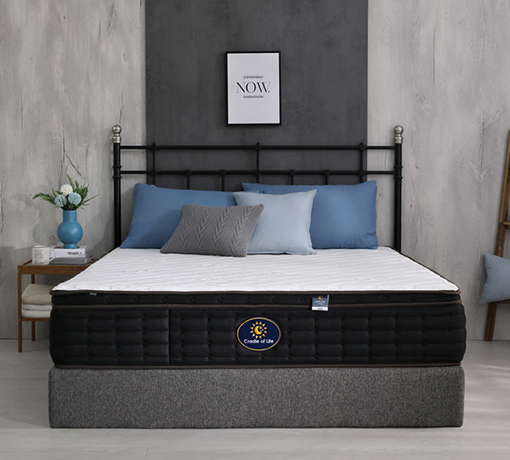
Classic Formosa F7 (Firm Support)
- Best for: sleepers with sensitive spines who need firm support
- Highlights:
✔️ 1,080 high-carbon steel pocket springs with zoned support for the lower back and hips
✔️ 5 cm Belgian latex layer that contours to the body without trapping heat - Customer review: “Turning over doesn't wake my partner at all, and my lower-back pain has improved so much!”
Learn more: Classic Formosa F7 (Firm Support) | the triple-tier king of pocket spring support
2. Dawn — Heritage Collection (Soft Embrace)
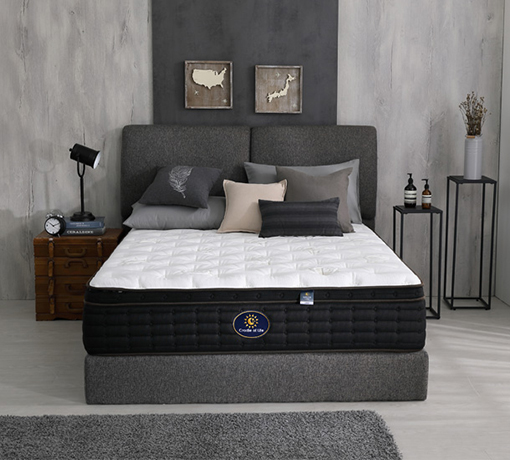
Dawn — Heritage Collection (Soft Embrace)
- Best for: those who love a cloud-soft feel
- Highlights:
✔️ 700 honeycomb-arranged pocket springs + TENCEL cover, with 30% better breathability
✔️ Malaysian latex layer that gently cradles every pressure point - Customer review: “Once I lie down I never want to get up! My sleep quality leveled up instantly.”
Learn more: Dawn — Heritage Collection | honeycomb array of 700 firmness-2.3 pocket springs
3. Classic Formosa F4 (Best Value)
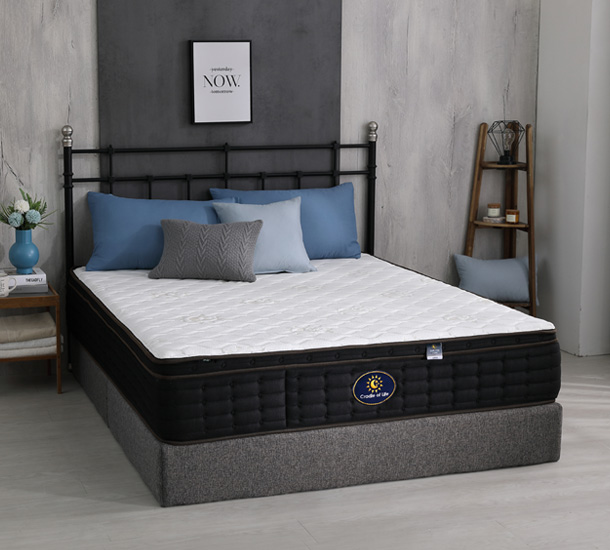
Classic Formosa F4 (Best Value)
- Best for: tight budgets and renters
- Features:
✔️ 700 pocket springs for stable support
✔️ High-density foam layer for lasting durability - Customer review: “Wallet-friendly price, but the quality holds its own against any other mattress!”
Learn more: Classic Formosa F4 (Best Value) | triple-tier firm honeycomb pocket spring mattress
Book a Trial Lie-Down and Let Cradle of Life Build Your Ideal Mattress
You can't choose a mattress on paper—trying it in person is everything! Cradle of Life offers in-store trial lie-downs across Taiwan plus a 120-night worry-free sleep trial. Book your visit online, and our professional consultants will craft a personalized sleep solution just for you.
FAQ
Which mattress material is best for side sleepers?
Side sleepers should look at memory foam or latex to relieve pressure on the shoulders and hips. Back sleepers do best on pocket springs, which keep the spine's natural curve, while stomach sleepers should consider coir or high-density foam to keep the lower back from sinking.
What mattress should I choose if I have allergies?
Your first pick should be a natural latex mattress—antibacterial, dust-mite resistant, and highly breathable, with resilient support that protects the spine. Avoid foams that trap dust. If your home is humid, breathable latex or coir also vents moisture effectively.
How much do price and lifespan differ between mattress materials?
Natural latex and pocket spring mattresses cost more but can last 10 years or longer, making them great long-term value. High-density foam and coir mattresses are cheaper, typically lasting about 3 to 5 years—fine for simple needs and tighter budgets.